
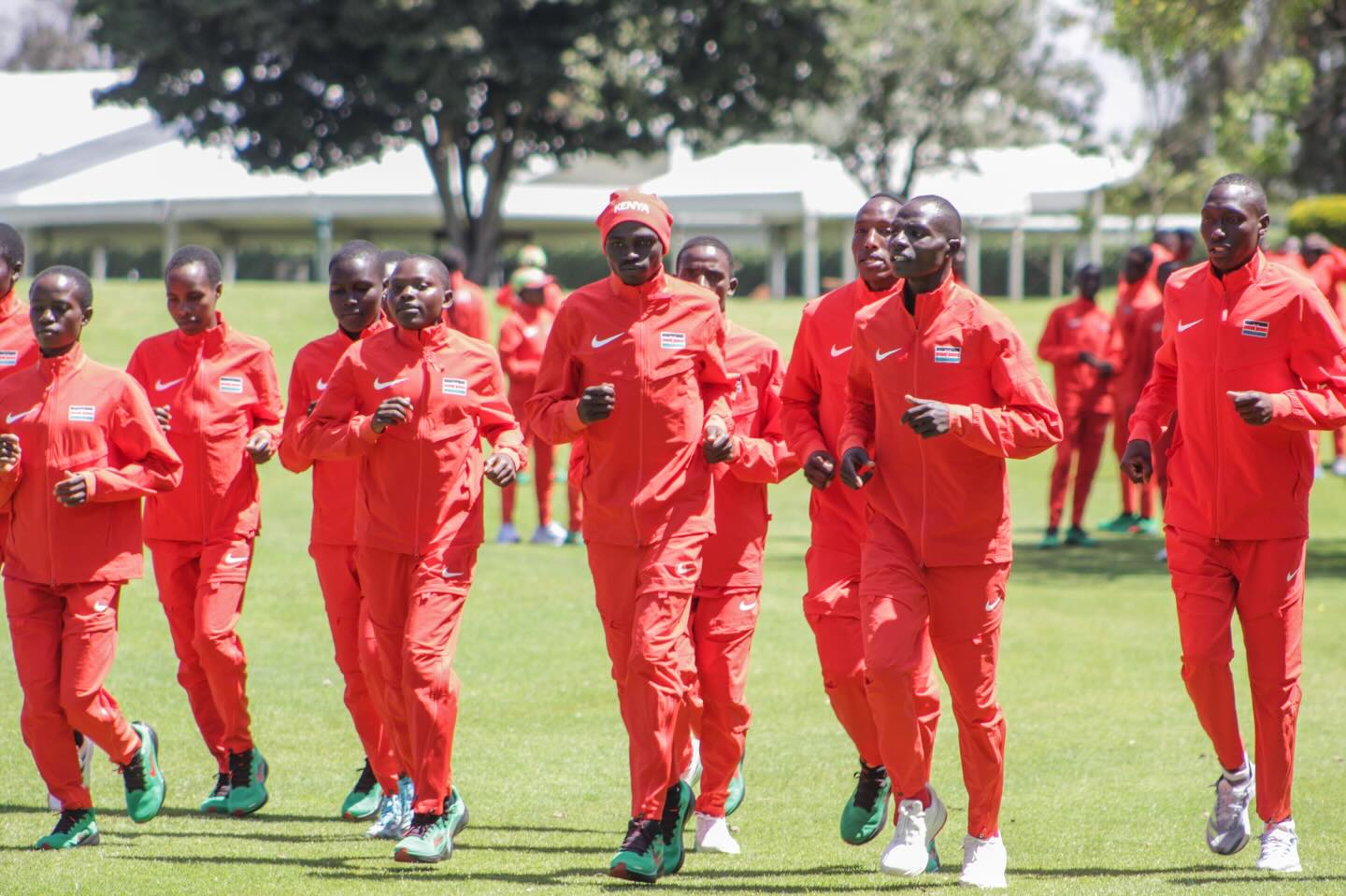
Kenya is set for major changes in the sports sector following the introduction of the Sports Bill 2026 and a new National Sports Policy aimed at improving governance, athlete welfare and long-term development.
The proposed law and policy, prepared by a ministerial taskforce chaired by former Sports Disputes Tribunal chair John Ohaga, seek to fix long-standing problems that have slowed the growth of sport in the country. These include poor leadership, weak funding structures, limited infrastructure and lack of proper protection for athletes.
If passed, the Sports Bill 2026 will repeal the Sports Act of 2013 and introduce a unified legal framework to regulate all sporting activities in Kenya. The law will apply to sports federations, clubs, athletes, coaches, agents, schools and all individuals involved in sport.
Under the Bill, sports organizations will be required to run transparent and democratic elections, submit regular financial reports and follow clear governance rules. Institutions such as the Kenya Academy of Sports will also be required to present audited accounts and submit quarterly and annual reports to oversight bodies.
The national government will have a stronger role in setting standards for sports infrastructure, athlete welfare, training and governance, while also coordinating Kenya’s participation in international competitions. This move is expected to reduce mismanagement and leadership wrangles that have affected several federations in recent years.
A key focus of the Sports Bill is the protection and welfare of athletes. The law guarantees sports persons the right to fair treatment, non-discrimination and respect for dignity.
Sports organizations will be required to provide access to qualified coaches, medical personnel, physiotherapists, psychologists and nutritionists. Athletes must also be provided with medical insurance, injury rehabilitation, career counselling and education pathways to balance school and sport.
The Bill also introduces legal support for athletes, including help with contracts and the regulation of agents through a national register. Welfare protections will also extend to emerging areas such as esports and digital sports.
To protect minors and vulnerable athletes, the Bill introduces strict safeguarding measures. Sports organisations will be required to adopt child protection policies, while coaches and officials working with young athletes will undergo background checks and training.
A national safeguarding office will be established within the Ministry of Sports to monitor compliance and support affected athletes.
The law also promotes gender equity, requiring equal access to facilities, funding and leadership opportunities for women and girls, while addressing gender-based violence and discrimination in sport.
The Bill seeks to end frequent disputes over national team selection by requiring federations to publish clear selection criteria. Teams will only be entered into competitions after securing proper funding, equipment and support staff.
Officials who send under-prepared teams to competitions will be held personally responsible for any penalties, while disputes will be handled internally or by the Sports Disputes Tribunal.
The Bill strengthens the Sports Disputes Tribunal, giving it exclusive powers to handle sports-related conflicts. The tribunal will deal with election disputes, governance issues, athlete eligibility, sponsorship, broadcasting rights and anti-doping cases, helping reduce long court battles that disrupt competitions.
Alongside the Bill, the National Sports Policy sets out Kenya’s long-term plan to use sport as a tool for social and economic development. The policy focuses on good governance, infrastructure growth, commercialization, digital integration and global competitiveness.
It also highlights challenges such as underfunding, poor facility maintenance and lack of retirement support for athletes, noting that many former sports stars struggle financially after retirement.
To improve infrastructure, the policy proposes classifying sports facilities into international, national and county levels, with clear safety and maintenance standards. A nationwide audit of sports facilities will guide future investment.
Coaching will be treated as a professional career, with minimum standards, licensing and a national registry. The Kenya Academy of Sports will lead coach training, talent development and safeguarding, supporting athletes up to the age of 22.
While the Sports Bill 2026 and National Sports Policy present an ambitious reform plan, experts say success will depend on political will, proper funding and strong enforcement.
As the Bill moves to Parliament and the policy enters implementation, athletes, federations and counties will be watching closely to see whether these reforms finally deliver a stable, professional and athlete-centred sports system in Kenya.
You may also like
FOOTBALL
FOOTBALL
FOOTBALL
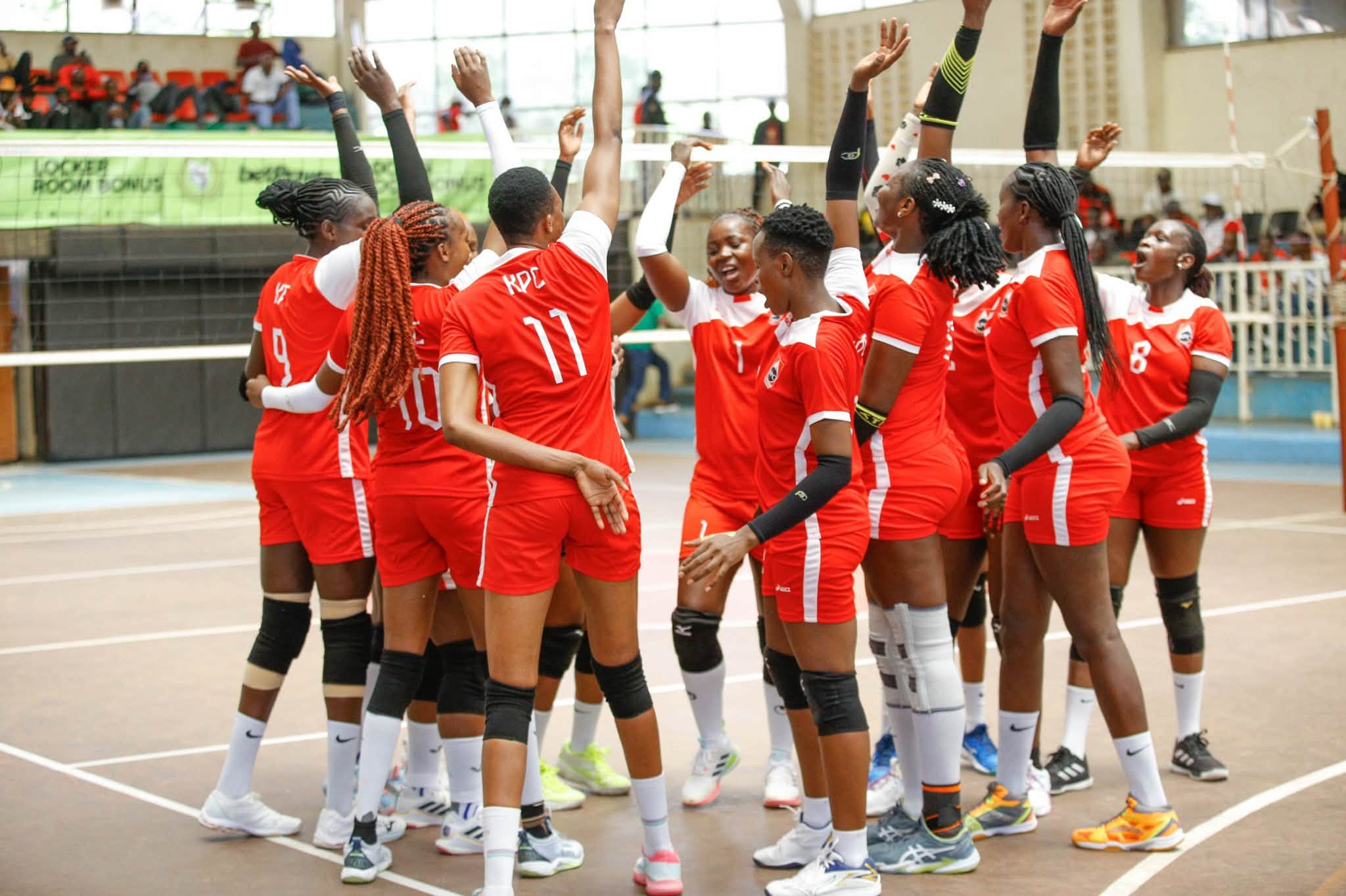
VOLLEYBALL
ATHLETICS
World Athletics has unveiled demanding qualification standards for the 2028 Los Angeles Olympic Games, giving...
OLYMPICS
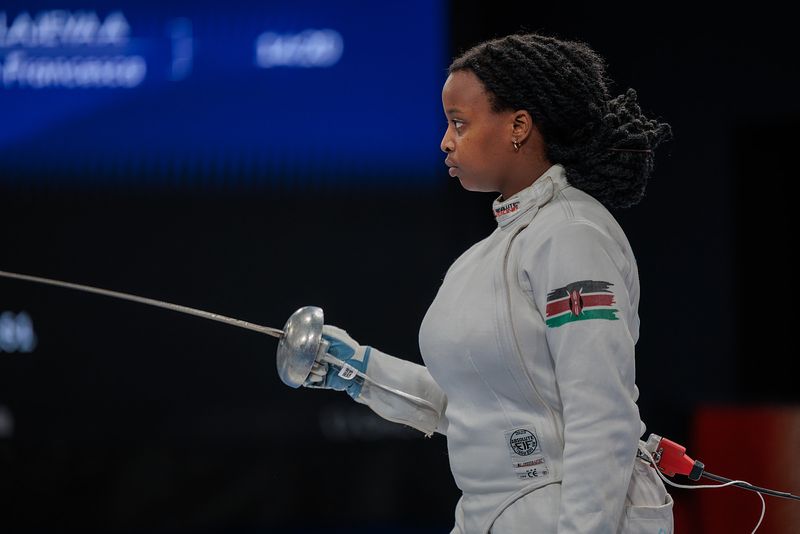
Kenyan fencing youngster Aliyah Makena is determined to build on her experience at the Dakar...